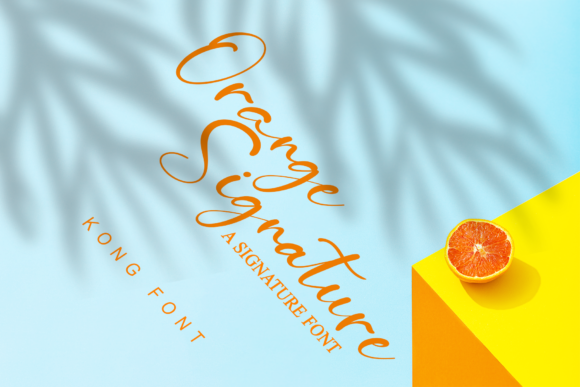
Orange Signature: Capturing Modern Creativity with a Playful Script
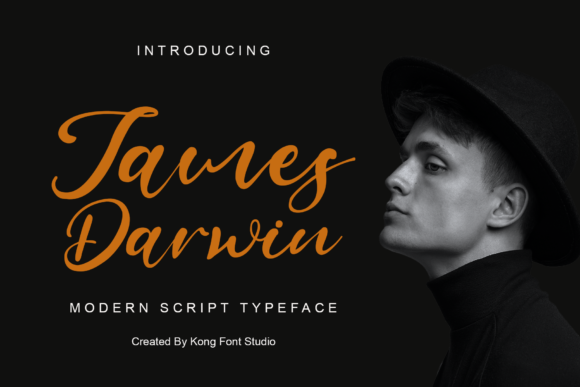
In the vast landscape of digital typography, few categories evoke as much immediate emotion as the handwritten script. It conveys warmth, personality, and a human touch in a world often dominated by rigid sans-serifs. Among the myriad of options available to designers and hobbyists, a specific font has been gaining traction for its unique blend of modern flair and accessibility: Orange Signature. Created by the prolific Kong Font Studio, this typeface represents a shift in how creators approach branding, social media aesthetics, and physical product design.
Unlike the formal calligraphy of the past, Orange Signature is distinctly modern and playful. It bridges the gap between professional elegance and casual authenticity. For the entrepreneur crafting a logo, the blogger designing a header, or the hobbyist working on a scrapbook, this font offers a solution that feels both personal and polished. But what makes a script font truly relevant in today’s fast-paced design environment? It often comes down to versatility and technical ease of use—two areas where this particular typeface excels.
The Evolution of Handwritten Aesthetics in Digital Spaces
The preference for handwritten styles has evolved significantly over the last decade. Ten years ago, script fonts were often difficult to read on low-resolution screens or looked overly formal, mimicking wedding invitations rather than everyday communication. Today, the trend has shifted toward bouncy baselines and irregular edges that mimic natural handwriting. This evolution reflects a broader lifestyle shift: consumers and audiences crave authenticity. We want to feel that a real person is behind the brand, not just an algorithm.
This is where Orange Signature fits into the current market. It captures the "imperfect perfection" that modern aesthetics demand. The letters flow with a rhythm that feels organic, avoiding the stiffness of vector-perfect geometry. For marketers and business owners, using a font like this is a strategic choice. It softens corporate messaging, making brands appear more approachable and relatable. Whether it is used for a coffee shop menu, a boutique clothing label, or a social media quote, the font signals friendliness.
Understanding PUA Encoding and Workflow Efficiency
While the visual style of a font is crucial, its technical specifications often determine its utility in professional workflows. One of the standout features of Orange Signature is that it is PUA encoded. For those unfamiliar with the terminology, PUA stands for Private Use Area. This is a technical standard in font design that ensures all special characters, glyphs, and swashes are fully accessible, regardless of the software being used.
Why does this matter to a freelancer or a designer? In the past, accessing fancy swashes—those decorative tails and loops that make script fonts beautiful—often required advanced software like Adobe Illustrator or specific font management tools. If you were using a basic text editor or a standard design app, those extra characters might remain hidden. PUA encoding removes that barrier. It means that whether you are working in a simple word processor or a complex design suite, you can easily copy and paste the specific decorative elements you need.
Practical Applications for Crafters and Designers
The implications of this accessibility are vast, particularly for the crafting community. Consider the rise of cutting machines like Cricut and Silhouette. These tools allow users to cut vinyl, paper, and fabric based on digital designs. When using a font like Orange Signature, the ability to access every glyph is essential for creating intricate, custom designs. A crafter can easily add a swooping tail to the end of a name for a wedding cake topper or a custom tote bag without struggling with complex software settings.
For digital creators and bloggers, the workflow integration is just as seamless. Creating consistent branding assets—such as Pinterest pins, Instagram stories, or website banners—requires speed. If a designer has to fight with their software to access a specific letter variation, it slows down the creative process. The PUA encoding of this font ensures that the creative flow remains uninterrupted, allowing for rapid prototyping and execution.
The Role of Typography in Brand Identity
In an era where visual content is king, typography is the voice of the brand. Choosing the right font is not merely an aesthetic decision; it is a psychological one. Orange Signature offers a specific psychological profile: it is energetic yet grounded. This makes it particularly suitable for industries related to lifestyle, beauty, food, and personal coaching.
However, it is important to apply such a playful script with intention. Overusing a handwritten font can sometimes dilute its impact or make long-form text difficult to read. The best practice is to use Orange Signature for headlines, subheadings, and accents. Pairing it with a clean, legible sans-serif for body text creates a visual hierarchy that guides the reader’s eye. This combination balances the personality of the script with the readability required for longer descriptions or blog posts.
Adapting to Changing User Expectations
User expectations regarding design quality have risen sharply. With the proliferation of high-quality templates and free design tools, even small business owners are expected to present professional-grade visuals. A font that is "playful" but looks cheap or pixelated will not suffice. Orange Signature meets the modern standard of high-fidelity rendering. It maintains its clarity whether it is printed on a small business card or displayed on a high-definition screen.
Furthermore, the versatility of the font allows it to adapt to different "moods." By utilizing the swashes and alternate characters available through its PUA encoding, a designer can make the text look more formal for an event invitation or more casual for a t-shirt design. This adaptability is a significant asset for freelancers who need to serve a diverse client base with a limited library of assets.
Navigating the Future of Creative Tools
As we look toward the future of design and crafting, the integration between fonts and software will only deepen. We are seeing a trend where design tools are becoming more intuitive, trying to guess what the user wants to create. Fonts that are well-encoded and logically structured, like those from Kong Font Studio, are better positioned to work with these intelligent systems.
For the end-user—whether they are a teacher creating classroom materials or an entrepreneur launching a startup—the focus is on reducing friction. We want tools that work the first time. We want assets that are reliable. Orange Signature represents this desire for reliability wrapped in creativity. It is not just about having a pretty font; it is about having a functional tool that enhances productivity.
Recommendations for Implementation
For those looking to incorporate this font into their next project, here are a few grounded recommendations:
- Social Media Branding: Use Orange Signature for profile headers or highlight covers on Instagram. Its modern style grabs attention while remaining legible on mobile devices.
- Product Packaging: If you sell handmade goods, use this font for your logo or product name. It conveys the "handmade" quality of the product authentically.
- Event Stationery: For weddings, birthdays, or baby showers, the font’s playful swashes add a touch of elegance without feeling stuffy.
- Website Accents: Avoid using it for the main body of a website. Instead, use it for pull quotes, call-to-action buttons, or section titles to add visual interest.
Ultimately, the value of a typeface lies in how it empowers the creator. Orange Signature